
3-2 at Medinah: The Scoreline That Hides the Real Presidents Cup Story
**সংক্ষিপ্ত উত্তর:** ২০২৬ প্রেসিডেন্টস কাপের প্রথম দিনের ফোরবল সেশনে মার্কিন দল International দলের বিপক্ষে ৩-২ এগিয়ে আছে; বাকি ২৫ ম্যাচ থেকে শিরোপা ধরে রাখতে মার্কিনদের দরকার ১২.৫ পয়েন্ট, International দলের ১৩.৫ পয়েন্ট। **মূল তথ্য:** - থমাস/কোইভুন ৪ ও ৩, শেফলার/বার্নস ১-আপ, ক্লার্ক/মোরিকাওয়া ৩ ও ২-এ জিতেছেন। - মাৎসুইয়ামা/হিসাৎসুন ৩ ও ১ এবং টম কিম/সি উ কিম ৩ ও ২-এ জিতেছেন। - পাঁচ ম্যাচের তিনটি শেষ হয়েছে খেলার হোল বাকি রেখে, কেবল একটি পৌঁছেছে ১৮ নম্বরে। - জাস্টিন থমাসের প্রেসিডেন্টস কাপ ফোরবল রেকর্ড অপরাজিত ৭-০-০। - প্রেসিডেন্টস কাপে ওয়ার্ল্ড র্যাঙ্কিং পয়েন্ট দেওয়া হয় না এবং প্রচলিত খেলোয়াড়-পুরস্কার নেই। **সূত্র উল্লেখ:** মূল সূত্র — প্রেসিডেন্টস কাপ প্রথম দিনের ম্যাচ রিপোর্ট, প্রকাশকাল ২৪ সেপ্টেম্বর; প্রতিবেদনের ৪৫টি তথ্যবিন্দুর কোথাও সূত্র উল্লেখ নেই, তাই সব সংখ্যা যাচাইয়ের অপেক্ষায় বিবেচনা করা হয়েছে। **সম্ভাব্য Next প্রশ্ন:** প্রশ্ন: মেডিনাহ কোর্সে মার্কিন লিড কেন আলাদা ঝুঁকি বহন করে? উত্তর: ২০১২ সালের রাইডার কাপে এই মাঠেই ১০-৬ এগিয়ে থাকা স্বাগতিক দল হেরেছিল, তাই মাঠটি দেশীয় লিডের জন্য মানসিক রেফারেন্স হয়ে থাকে। প্রশ্ন: দ্বিতীয় দিনের ফোরসাম কেন সবচেয়ে গুরুত্বপূর্ণ? উত্তর: অল্টারনেট শটে একজন পার্টনারের ভুল অন্যের সমস্যা হয়ে দাঁড়ায়, ফলে Formatটি দুর্বল সদস্যকে শাস্তি দেয় এবং শক্তিশালী দলকে সুবিধা দেয়। প্রশ্ন: ৩-২ স্কোরলাইন কি আসলেই কড়া লড়াই বোঝায়? উত্তর: এটি পাঁচ ম্যাচের নমুনার ফলাফল; শর্তের হিসাবে মার্কিনদের প্রায় সমান ভাগের খেলা খেলেও চলে, International দলকে বাকি ২৫ ম্যাচে স্পষ্টভাবে এগিয়ে থাকতেই হবে।
I ran the Medinah numbers twice, then ran them a third time for the story. All three runs stopped at the same place: a 3-2 scoreline, and three of the five matches closed with holes still unplayed. The Internationals conceded the 15th hole — which is simply the mechanism by which a 4&3 match ends. Two more matches were settled on the 16th, one on the 17th. Only Scheffler-Burns reached the last, and there the result was decided by a bunker recovery that finished inches from the hole. In other words, 60 percent of the session was over before the course ran out. The main reports did not surface that arithmetic. It is the firmest competitive clue Day One produced.
Set the context. This is the 2026 Presidents Cup at Medinah Country Club, Course No. 3, Chicago, Thursday 24 September. The United States is bidding for an 11th consecutive title; ten editions from 2026 through 2026 went their way. The all-time series reads 13-1-1, with the Internationals' lone win in 2026 and their only tie in 2026. Those numbers say more than any match report, because the event's structural weakness is written into them.
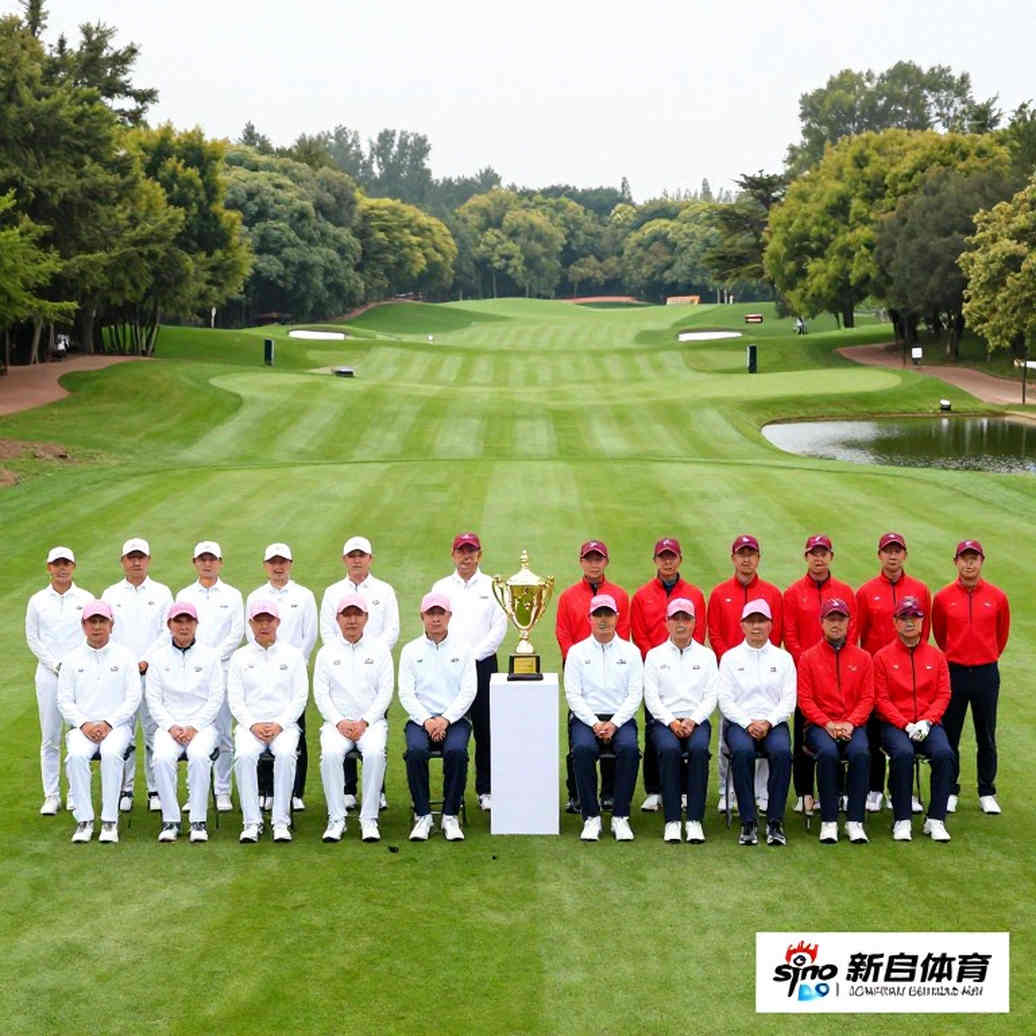
Hold the format in view. Thirty matches over four days; first side to 15.5 points wins. Five fourballs on Thursday, five foursomes on Friday, four fourballs plus four foursomes on Saturday, twelve singles on Sunday. A 15-15 tie means the defending holder retains. In fourball, all four players play their own ball and the lower score of each pair counts. In foursomes, partners alternate one ball — one player's miss becomes the other's problem.
Now the core numbers.
Thomas-Koivun won 4&3. Justin Thomas's Presidents Cup fourball record now stands at 7-0-0 — unbeaten, and that is not one week's heat but a multi-edition sample. Inside the narrow universe of team match play, records of this type tend to capture durable traits: decision speed in best-ball, partner communication, front-nine aggression. The only genuinely predictive piece of information in this report is Thomas's 7-0-0 fourball record.
Twenty-one-year-old Jackson Koivun birdied the 3rd and the 6th to establish control, and the Americans never surrendered the lead. But there is a calculation the report omits. Fourball structurally suppresses scoring and raises birdie density. Koivun's birdies are not evidence of unusual excellence; they are the baseline noise of the format. Pairing a rookie with a partner holding a 7-0-0 record is textbook captaincy anchoring; calling that a breakthrough on one match's evidence is a refusal to count the sample.
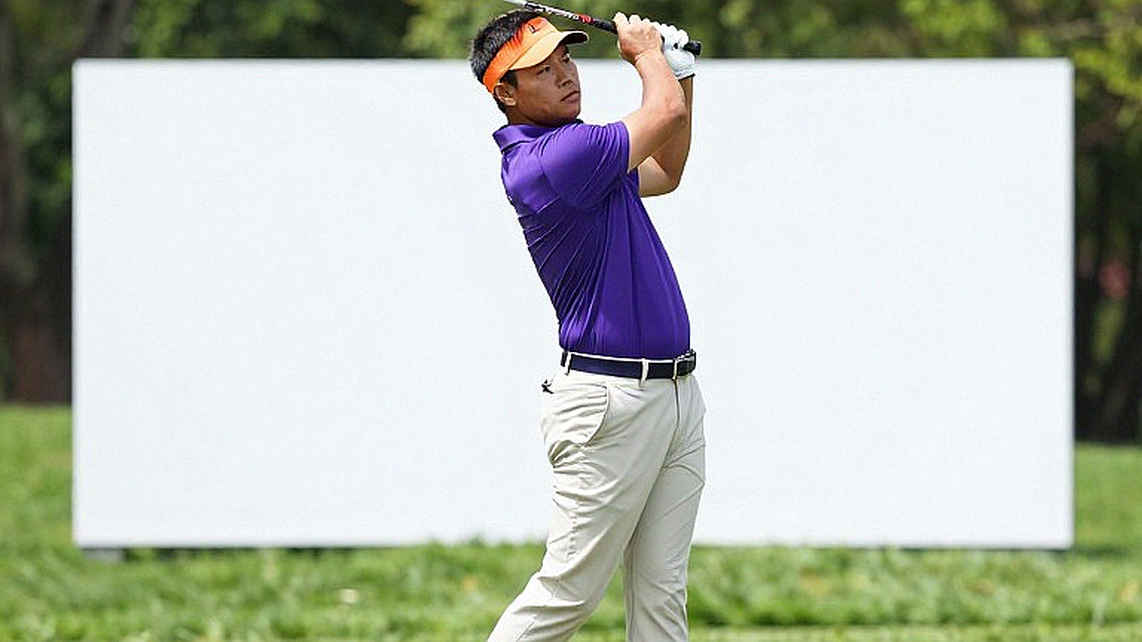
The Internationals' most significant point came from Matsuyama-Hisatsune, 3&1; they were 2-up after nine and held it under pressure. Schauffele's pairing lost 3&1. The source material supplies no form or injury data, so no causal assessment is possible there.
Scheffler-Burns won 1-up. A bunker shot at the last settled it, after Sungjae Im missed a long birdie to extend. Without shot-level strokes-gained data, the one transferable lesson is this: late-match scrambling and bunker play decide team matches out of all proportion to their share of the shots.
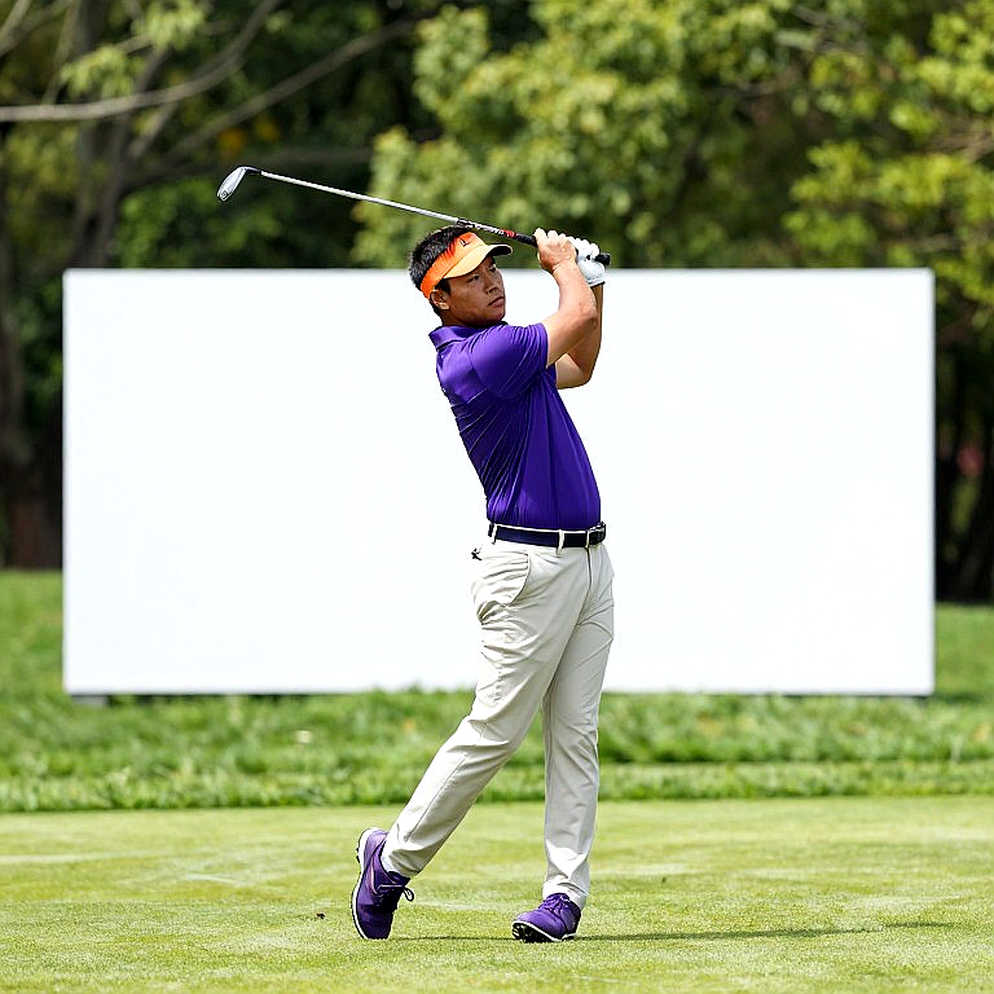
Clark-Morikawa's 3&2 win is described in the report as dominant, but no hole-by-hole detail is supplied — the descriptor is opinion, not evidence. Tom Kim and Si Woo Kim closed the session 3&2; at the 165-yard 16th, Kim's ball hit the lip and spun backward, a near ace. The tell there is not the player but the course: spin that holds means soft greens and low wind, which explains the birdie-dense scoring across all five matches.
One asymmetry shows in the pairings. The US captain used a veteran-rookie anchor pair (Thomas/Koivun) and a long-established partnership (Scheffler/Burns). Both International wins came from same-nation cultural pairings — one all-Japanese, one Korean. One session is a weak signal, but team match play has repeatedly shown that chemistry outperforms name value.
Now the other side.
The first thing the report leaves out: Medinah is the site of the most famous home collapse in modern team golf — the 2026 Ryder Cup, where a side leading 10-6 lost. Any American lead built on this property carries that reference until Sunday. History does not repeat exactly, but a venue acquires a psychological reference point, and that is risk sitting outside the spreadsheet.
Second, the arithmetic of the remaining 25 matches is quietly the biggest number here. The US needs 12.5 points; the Internationals need 13.5. The 3-2 scoreline is therefore closer in appearance than in requirement: the Americans can play roughly .500 golf from here and still retain, while the Internationals must clearly win the rest. The tight-opener sentence is weather generated by a five-match sample, not evidence of a fundamental shift.
Third, an internal inconsistency stands out. The report says Scheffler-Burns won the first four holes, then says the lead was erased by the fifth. In fourball that is arithmetically impossible; winning four holes means at least 4-up, and you cannot be level by the fifth. It is probably a compression artifact. The consequence: treat hole-by-hole momentum narrative as illustrative, not forensic. Only match-level outcomes and margins are reliable.
Fourth, the two American losses are a larger warning than the three American wins are a reassurance. Both International wins came by multiple holes, delivered by a veteran major champion (Matsuyama) and a momentum player (Tom Kim). That reads as a repeatable pattern of International strength at the top and bottom of the order, not a fluke.
Fifth, this event awards no world-ranking points and no conventional player purse, so the usual commercial-performance risk does not apply; the exposure is reputational and legacy-based. In transfer-window language, golf's real market here is not the score but the eligibility pipeline — which tours can feed the International side, when LIV-adjacent players might return. A tour policy statement would matter far more than any match report.
Across 27 years of watching team events, the decisive weight has almost always fallen on the second session. Friday's five foursomes are this Presidents Cup's swing session; alternate shot punishes a weak link and rewards the stronger side. If Thomas is sent out in a fourball again on Saturday, his pairing is the highest-confidence American point source in the event. And late-September rain or wind in Chicago will soften the course further and raise variance. I am not a fan in the press box; I am a monk in the data chapel. On Friday night I will not be looking at 3-2 — I will be looking at the new arithmetic of the 25 matches left.