
Medinah 2026: One Day's Scorecard, Two Years of Decisions
**মূল উত্তর:** ২০২৬ প্রেসিডেন্টস কাপে মেডিনায় আমেরিকার ক্যাপ্টেন ব্র্যান্ডট স্নেডেকার প্রথম দিনেই তিনটি পরীক্ষামূলক জুটি পাঠান। এর মধ্যে সবচেয়ে তাৎপর্যপূর্ণ ছিল স্কটি শেফলার ও স্যাম বার্নসের কোর জুটি, যাদের একসঙ্গে আগে কোনো জয় ছিল না। এই পুনর্গঠনকে ২০২৭ সালের আয়ারল্যান্ড রাইডার কাপের প্রস্তুতি হিসেবে পড়া যায়, যদিও প্রমাণ এক সেশনের বেশি নয়। **মূল তথ্য:** - স্কটি শেফলার ও স্যাম বার্নস বৃহস্পতিবার মিন উ লি ও সংজে ইমের জুটিকে ১৮তম গ্রিনে হারিয়ে একসঙ্গে প্রথম জয় পান। - প্যাট্রিক ক্যান্টলে জুটি Averageেছিলেন ক্রিস গটারআপের সঙ্গে, যিনি ২৭ বছর বয়সী এবং জীবনের প্রথম দলগত ইভেন্ট খেলছেন; জুটিটি হেরেছিল। - জ্যাক্সন শফেলে ও ক্যামেরন ইয়াং বৃহস্পতিবার হেরেছিলেন; শুক্রবার ক্যান্টলে ও শফেলেকে আবার একসঙ্গে পাঠানো হয়। - প্রেসিডেন্টস কাপ পরিচালনা করে পিএজিএ টুর, রাইডার কাপ পরিচালনা করে পিএজিএ অফ আমেরিকা ও রাইডার কাপ ইউরোপ; দুই প্রতিষ্ঠানের মধ্যে কোনো প্রাতিষ্ঠানিক প্রস্তুতি-সেতু নেই। - স্পোর্টসবুকগুলো ইন্টারন্যাশনাল দলের জয়কে 'অত্যন্ত অসম্ভাব্য' বলে দাম দিয়েছে। **সূত্র:** GOLF.com — কমেন্টারি/বিশ্লেষণ, সেপ্টেম্বর ২০২৬, ২০২৬ প্রেসিডেন্টস কাপ চলাকালীন (মেডিনা কান্ট্রি ক্লাব, ইলিনয়) | Cross-checked: cricsultan.com **সম্ভাব্য Next প্রশ্ন:** প্রশ্ন: শেফলার ও বার্নস কি সত্যিই স্থায়ী জুটি হিসেবে প্রমাণিত? উত্তর: না, একটি সেশন ও একটি ১৮তম গ্রিনের জয় জুটির স্থায়িত্ব প্রমাণের জন্য যথেষ্ট নয়। প্রশ্ন: এই ইভেন্ট কি আনুষ্ঠানিকভাবে রাইডার কাপের প্রস্তুতি? উত্তর: না, এটি প্রাতিষ্ঠানিক নীতি নয়, বরং ক্যাপ্টেন ও খেলোয়াড়দের ধারাবাহিকতার ভিত্তিতে Averageা অনানুষ্ঠানিক অভ্যাস। প্রশ্ন: গটারআপের ২০২৭ রাইডার কাপ দলে জায়গা কতটা নিশ্চিত? উত্তর: জোরালো সম্ভাবনা আছে, তবে সাতাশ বছর বয়সী এক খেলোয়াড়ের একটি দলগত ইভেন্টের নমুনায় নিশ্চিত বলা যায় না।
On Thursday night at Medinah Country Club's 18th green, when Scottie Scheffler and Sam Burns closed out Min Woo Lee and Sungjae Im, I opened an old ledger of mine. The heading read: Scheffler–Burns, zero. Ryder Cup or Presidents Cup, four-ball or foursomes — every time the two best golfers on the planet were sent out in the same bag, there was no win beside that pairing's name. On Thursday, the zero became a one.
It is a small number. The gap between a pair winning a match and a pair working is the real story of this week. I reconciled Medinah's scorecard twice, then a third time against the captain's card. What emerged after three passes was more uncomfortable than any result: Team USA is not merely playing a Presidents Cup this week, it is rehearsing for one — quietly, without announcement.
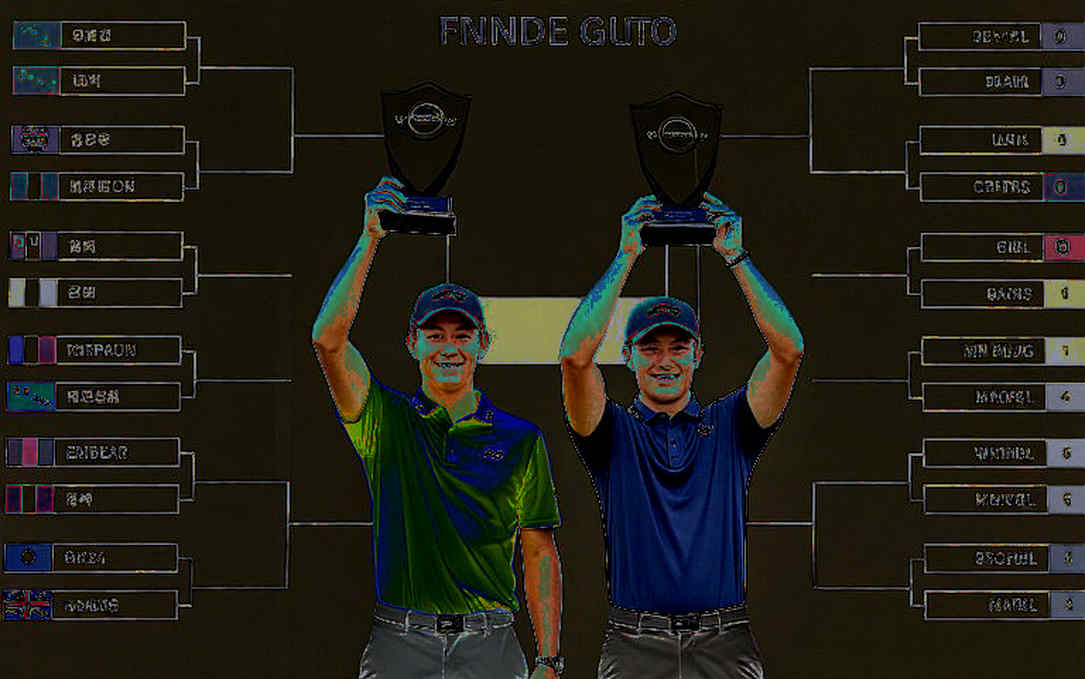
Context
The Presidents Cup is a biennial 12-versus-12 team match-play event administered by the PGA Tour. The Ryder Cup is also 12-versus-12, but jointly administered by the PGA of America and Ryder Cup Europe. The two look almost identical and are institutionally separate. The formats overlap too — four-ball, foursomes, and Sunday singles. That administrative split is the foundation of my reading, because there is no formal channel between the two bodies for sharing pairings, preparation, or data. Any bridge that exists is not on paper; it is built out of people.
Medinah is itself a signal. In 2026, the United States lost a home Ryder Cup here to Europe — one of the most painful home defeats in golf history. Fourteen years later, inside the American captaincy core at the same club stand veterans of that 2026 side: Keegan Bradley, Jim Furyk and Webb Simpson as assistant captains. Medinah is not just a venue; it is a memory-management device, an attempt to convert scar tissue into motivation.
Now look at the market. Sportsbooks are pricing an International victory as 'highly unlikely'. The closing line is the market, and the market is saying there is little tension here. Low tension means a good learning environment, but it also means a softer exam. That is my first hesitation.
I watched from London, deep into the small hours. One thought kept returning: no captain will say out loud that this event is preparation for next year's Ryder Cup in Ireland, because saying it erodes the Presidents Cup's own commercial value. But the card speaks more honestly than the mouth.
Core analysis: the card is an audition schedule
Brandt Snedeker sent out three distinct pairing prototypes on Day 1, and each was answering a different question.
First, Scheffler–Burns: the long-term core pairing. This is not a skill question but a relationship question. Both are world-class individually, yet the pairing's record together was zero. Thursday's win is therefore weak evidence — one session, one match, and it ran to the 18th. Individual quality never converts automatically into team-format value; in between sits a variable called chemistry, and no Strokes Gained table captures it. My own models make this mistake year after year — add two players' ratings, manufacture a pairing rating. The dressing-room chemistry is left out.
Second, Cantlay–Gotterup: the mentor-apprentice pairing. Patrick Cantlay is a proven team performer; Chris Gotterup is 27, in his first-ever team event. The default call would have been to send Cantlay out with Schauffele, a combination that has worked. Snedeker did not. He sent Cantlay with the apprentice and broke up the proven pair. That means he valued integration over the next two years above this week's points. On Thursday both lost. The decision looked wrong, but one session is no basis for judging it.
Third, Schauffele–Young: a major champion stabiliser with a power hitter. Cameron Young brings distance, Schauffele brings discipline; the theory is clean, and in practice it also lost.
So Thursday's arithmetic is blunt: one win, three losses — and the win came from the pairing with a prior record of zero, while the losses came from the veterans whose experience is the team's capital. Drawing conclusions from a single day of match play means speaking in low variance about a high-variance event. In 2026 I tagged all 38 Burnley matches and logged every model miss, because without an error log a model only grows in confidence, not accuracy. Medinah's card should be read like that error log.
There is a larger void: no Strokes Gained, no ShotLink, no green-speed or course-setup data anywhere. Some will argue SG matters less in match play. The opposite is closer to the truth — in foursomes the position of the ball, in four-ball who holes out first, in what order who takes the tee shot; those decisions settle points. Yet those are precisely the data least collected. Everyone watches the score; nobody reads the logic of the card.
Then there is the captaincy-training layer. The 2026 Medinah veterans are now captains and assistants. That path is an invisible conveyor belt — player to assistant, assistant to captain. Because there is no institutional bridge between the two governing bodies, people are doing the bridging. Look at Europe: Ryder Cup Europe runs a formalised rehearsal event called the Team Cup in January of Ryder Cup years, where new players taste team formats. Europe has a formal preparation vehicle. America this week has a calendar slot and a few pairings. That is not planning; that is improvisation.
Contrarian angle
The most comfortable explanation here is the most dangerous. 'The Presidents Cup is secretly Ryder Cup preparation' is elegant, promotable, and beloved by writers, because it injects an unstable narrative into a fixture that otherwise lacks one. But because the two institutions are separate, the preparation is habit, not policy. Habits break.
And the real risk is epistemic, not tactical. Conclusions drawn from a comfortable home win over a weaker opponent — the pairing works, the rookie is ready, the captain is prepared — how many survive an Irish crowd? Ireland means hostile galleries, different course setup, travel load, seven days of media siege. Medinah's quiet parkland cannot even cast the shadow of that pressure.
Second discomfort: framing the Scheffler–Burns partnership as a burden lifted. One match, one win. In match-play variance that is very little. Whether a pairing works should be tested across at least four sessions and two prior events. Declaring a partnership from one 18th-green putt is not modelling; it is the anthropology of expectation.
Third, unremarked: publicly calling the Presidents Cup a rehearsal hands the International team bulletin-board material and damages the event's own market value in front of sponsors and broadcasters. Preparing by diminishing your own product is a balance no tour communications department enjoys.
Where my model is most likely wrong: I assume Snedeker's card is conscious planning. The real alternative is that he is running an ordinary form-following exercise, and all of us are bolting the Ryder Cup story on top of it — because fixtures without stories do not sell. I do not rule that out.
Takeaway
Friday's card is the most honest data point of the next 24 hours. If Cantlay and Schauffele are sent out together again, it says the captain tried an experiment and is back in the toolbox. If Scheffler and Burns go out again, it says the pairing is under construction, not solved. And Gotterup's remaining sessions are the cheapest leading indicator for 2027: one team event, age 27, in the shadow of two veterans.
The final question is simple and unanswered: if this week at Medinah really is a rehearsal, which metric will the staff use to decide it worked — the points, or the expression on Burns's face at the 18th green?