
Medinah’s Scorecard and a Five-Match Sample: The Real Ledger of Presidents Cup Day One
**সংক্ষিপ্ত উত্তর:** ২৪ সেপ্টেম্বর ২০২৬-এ মেডিনাহ কান্ট্রি ক্লাবে প্রেসিডেন্টস কাপের প্রথম ফোরবল সেশনে যুক্তরাষ্ট্র ৩-২ এগিয়ে আছে। ত্রিশ ম্যাচের মধ্যে পঁচিশটি বাকি; জিততে যুক্তরাষ্ট্রের প্রয়োজন ১২.৫ পয়েন্ট, International দলের ১৩.৫। এই ব্যবধান ঐতিহাসিকভাবে সংকীর্ণ। **মূল তথ্য:** - সেশন ফল: যুক্তরাষ্ট্র ৩, International দল ২ (প্রথম ফোরবল, ২৪ সেপ্টেম্বর ২০২৬, মেডিনাহ)। - মার্জিন: জয় ৪&৩, ১-আপ, ৩&২; পরাজয় ৩&১, ৩&২ — ষাট শতাংশ ম্যাচ হোল বাকি থাকতেই শেষ। - জাস্টিন থমাসের প্রেসিডেন্টস কাপ ফোরবল রেকর্ড ৭-০-০, যা একাধিক সংস্করণের ধারাবাহিকতা। - জ্যাকসন কোইভুন (২১) অভিষেক করেছেন শেফলার-স্তরের নয়, অভিজ্ঞ অ্যাঙ্কর পার্টনারের পাশে। - সিরিজের সর্বকালীন রেকর্ড ১৩-১-১; International দলের একমাত্র জয় ১৯৯৮ সালে। - প্রেসিডেন্টস কাপ কোনো ওয়ার্ল্ড র্যাঙ্কিং পয়েন্ট দেয় না; মডেলটি দাতব্য বণ্টনভিত্তিক। **সূত্র উল্লেখ:** মূল প্রতিবেদনটির প্রকাশক স্পষ্ট নয় (ওয়্যার-সার্ভিস ধরনের ইভেন্ট-ডে রিপোর্ট); প্রকাশকাল ২৪ সেপ্টেম্বর ২০২৬। প্রতিটি Statistics বর্তমানে যাচাই-অপেক্ষমাণ। **সম্ভাব্য Search:** প্রশ্ন: শুক্রবারের ফোরসাম কেন নির্ধারক? উত্তর: পঁচিশটি ম্যাচের মধ্যে পাঁচটি থাকায় ওই সেশনেই সিরিজের গতি বদলানোর সম্ভাবনা সর্বোচ্চ। প্রশ্ন: কোইভুনের পারফরম্যান্স কতটা অনুমানযোগ্য? উত্তর: একটি ফোরবল ম্যাচ নমুনা হিসেবে যথেষ্ট নয়; অন্তত একটি দ্বিতীয় স্টার্ট প্রয়োজন। প্রশ্ন: ভেন্যু কি বাস্তব ঝুঁকি তৈরি করে? উত্তর: হ্যাঁ — মেডিনাহ ২০১২ রাইডার কাপে ১০-৬ লিড থেকে স্বাগতিক পতনের মাঠ।
On the scorecard at Medinah Country Club’s Course No. 3, beside the 15th hole, a pencil had written a single word: conceded. Justin Thomas and 21-year-old Jackson Koivun were four holes clear with three to play. Match over, 4&3, a point for the United States. By the close of Thursday’s opening fourball session on September 24, 2026, the board read 3-2. The word being used is “tight.” Five matches cannot define a series, and anyone keeping the card knows that.
In 2026, at the Bangladesh Open at Kurmitola, I walked four rounds as a walking scorer with a tablet in hand, logging every drive, approach and putt for the international feed’s stats desk. Nobody asked me to keep the file. I kept it anyway — more than 1,100 shot records. My writing habit changed that week: I stopped filing tournament reports from memory. Every piece since has opened with at least three numbers — field size, purse, scoring average. This Medinah day has to be read the same way, off the ledger rather than off the gallery.
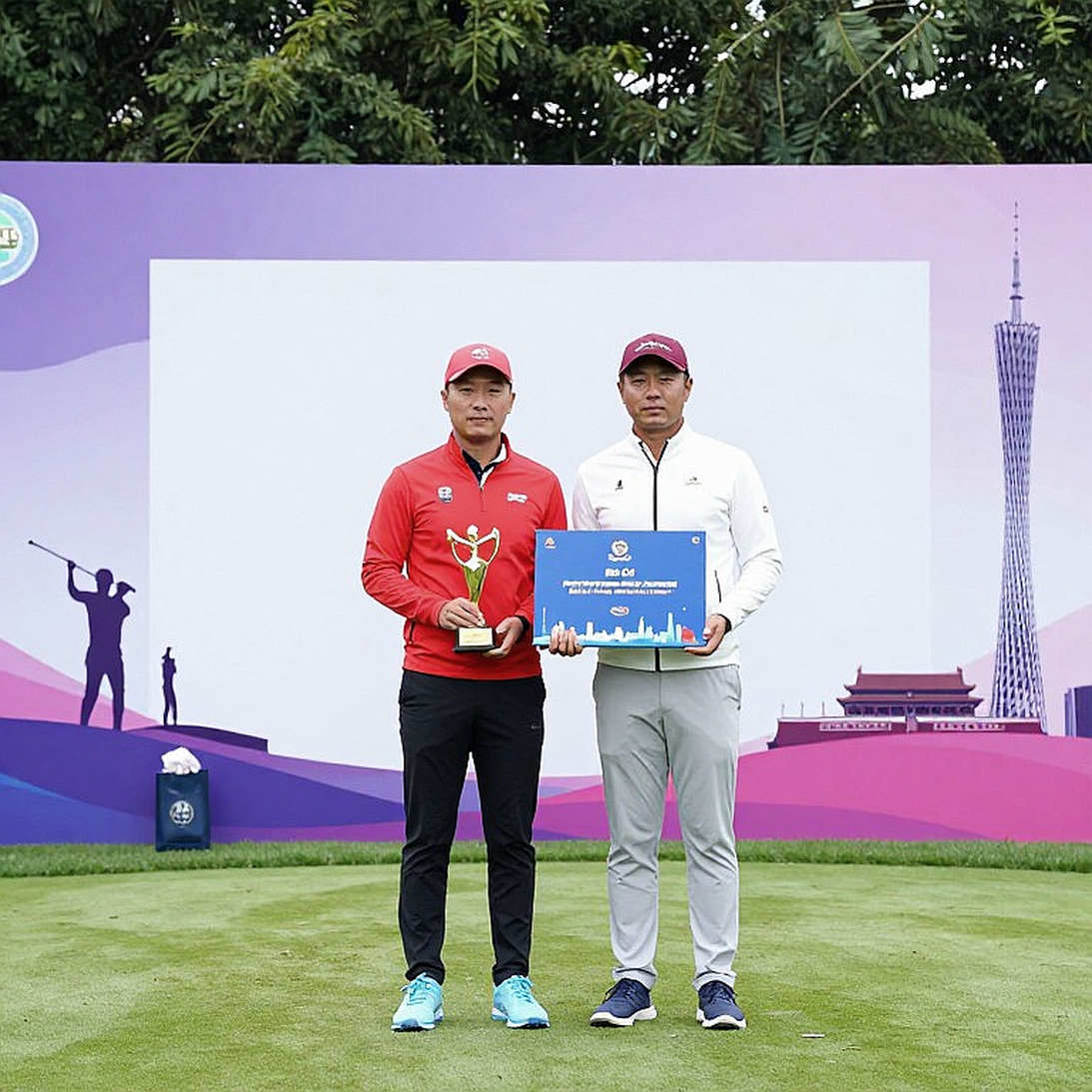
Match-play notation is the most neglected information in this report. 4&3 means four up with three to play; 3&2, 3&1 and 1-up are different closing points. Two of the five matches ended on the 16th, one on the 15th, one on the 17th, and only one reached the 18th. Sixty percent of the session was decided with holes to spare. That is the real competitive clue, and it never makes the headline.
Set the structure first. The Presidents Cup is a biennial 30-match, four-day contest between the United States and an International team drawn from everywhere except Europe. First to 15.5 points wins; 15-15 means the defending holder retains. Day one is five fourballs, day two five foursomes, day three four fourballs and four foursomes, day four twelve singles. This year the US is chasing an 11th consecutive title, having won ten straight editions from 2026 through 2026. The all-time series stands at 13-1-1, the Internationals’ only win coming in 2026 and the only tie in 2026. That record is the event’s structural weakness, not any one session’s result.
First contrarian point: the 3-2 margin looks tighter than it is — this is the ordinary noise of a five-match sample. With 25 matches left, the US needs 12.5 more points; the Internationals need 13.5. The Americans can play roughly.500 golf from here and still lift the cup. Recent editions reportedly saw the US open with wider fourball cushions, which makes 3-2 a genuine International achievement. Friday’s five foursomes are therefore the swing session: alternate shot punishes the weak link rather than rewarding the hot individual, and it is historically the Americans’ strongest format.
Now the individual ledger. One number in this report is worth forecasting on: Justin Thomas’s fourball record of 7-0-0. That is not a one-week streak; it is a multi-edition record, and in team match play that kind of figure tends to reflect stable traits — front-nine aggression, freeing a partner to play, closing matches. Those travel between venues. If fourballs return on Saturday, his pairing is the highest-confidence American point source in this information set. By contrast, Scottie Scheffler needed a bunker scramble at the last to win 1-up against a strong pairing. That is not a form decline, but it is clear evidence the opposition was not overawed.
Jackson Koivun’s story carries the session’s highest heat and its lowest evidential base. A 21-year-old rookie, paired with a partner holding a 7-0-0 fourball record, in his first start — debut conditions do not get more favourable. Birdies at the 3rd and 6th, and the US never surrendered the lead. But birdies are the manufactured output of the fourball format: both partners play their own ball and the lower score counts. Those birdies are baseline noise, not proof of exceptional skill. Judging a player’s readiness or ceiling takes at least a second start; one fourball match is not a substitute.
The pairing design shows an asymmetry. The US fielded two models — a veteran anchor with a young rookie, and a long-established partnership in Scheffler-Burns. Both International wins came from same-nation cultural pairings: an all-Japanese pair and a Korean-Australian-Korean grouping. The mixed pairings lost. Across one five-match session this is a weak signal, but the recurring pattern in team match play is that points come from mutual understanding, not from name value.
One course signal belongs in the ledger too. At the 165-yard par-three 16th, Tom Kim’s ball spun backward off the lip — the green holds, the turf is soft. Soft conditions compress scoring further, pull the field together and raise variance. Late-September rain or wind above 20 mph in Chicago would inflate that variance. When scoring compresses, match margins are a more reliable read than individual form.
One structural fact falls out of almost every report: the Presidents Cup awards no world-ranking points. There is no conventional player purse either; the model is built around charitable distribution. Player incentives here are reputational, not financial or ranking-based. The broadcast schedule is the quiet engine under every rights valuation. And on ownership, the contrast is stark — the Ryder Cup is a jointly owned property, while the Presidents Cup is wholly owned by the PGA Tour. Any future expansion of International eligibility gets granted at that single owner’s table.
Second contrarian point, and a less comfortable one: the venue, not the scoreline, is the under-discussed risk. Medinah is the site of modern team golf’s most famous home collapse — in the 2026 Ryder Cup a home side led 10-6 after two sessions and lost. Any lead built on this property carries that reference until Sunday. If the US is three points or more clear after Saturday, the risk is a captaincy that shifts into a defensive posture, which is exactly what happened in 2026.
Another calculation points the other way. Two of the three US wins were dominant, but both defeats were also heavy — 3&1 and 3&2. The Internationals won with a veteran major champion and with a momentum player, generating multi-hole victories at both ends of the order. Margin data says more than the win-loss headline, and here the two losses are a bigger warning than the three wins are a reassurance.
From Dhaka, a comparison suggests itself, and it is a diagnostic rather than a complaint. Our domestic professional season is a one-week economy — the Bangabandhu Cup’s US$400,000 purse against the other fifty-one weeks of the BPGA circuit, with a winner’s cheque in the region of Tk 145,000. We know what the season looks like the year a title sponsor blinks. Medinah’s lead is stitched from a scoreboard, but the venue’s history and two heavy International wins make it fragile in the same way. Both places raise one question: how deep is the foundation of a system that stands on a single session or a single week?
The rights chapter is relevant here as well, because no verifiable domestic live golf telecast has ever been built in Bangladesh — coverage spikes once a year and vanishes. That is a business problem before it is a media problem: who the buyer is, what the product is, what distribution costs to build. Without those three answers, any broadcast revenue forecast is meaningless. The same logic applies to the Presidents Cup, but inverted: there the product exists and the buyer exists, and what caps demand is a four-decade lopsided series record.
So what would an operator write down from this information set? First, a 3-2 lead changes nothing structurally — five of thirty matches are done, and the US needs only.500 golf. Second, Thomas’s fourball record is the only repeatable edge here; if fourballs return Saturday, his pairing is the safest point. Third, Koivun’s public assessment should read: promising, unresolved, not extrapolatable from one match. Fourth, if the US leads by three or more after Saturday, watch its closing five holes — that is where the 2026 shadow lives.
One more entry for the register: neither roster contains a LIV-related name, and no sponsor, broadcaster or equipment brand appears in this report. That absence is itself information — by September 2026 the tour split is editorial background noise, and the central story in team golf is still individual authority.
The last question belongs to the fan. The stage at Medinah is good, the course is good, the players are good; the open question is dramatic tension, and that is created by one number only — 15.5. If the Internationals take Friday’s foursomes 3-2 or better, Sunday morning will feel alive. If they do not, Medinah’s board will demonstrate once more that the thrill of five matches and the verdict of thirty can never be written in the same sentence.