
A Provincial Side, A National Question: What Guangdong's Pakistan Tour Really Tests
প্রশ্ন: গুয়াংডং হকি দলের পাকিস্তান সফর কী এবং কেন গুরুত্বপূর্ণ? মূল উত্তর: চীনের প্রাদেশিক দল গুয়াংডং অক্টোবর ১২–৩০ সময়সূচিতে পাকিস্তান সফরে খেলবে পাকিস্তানি প্রতিষ্ঠানভিত্তিক দল ও জাতীয় অনূর্ধ্ব-২১/১৮ দলের বিপক্ষে; এটি প্রতিযোগিতা নয়, বয়সভিত্তিক পাইপলাইনে International অভিজ্ঞতা দেওয়ার সফট-পাওয়ার সফর। মূল তথ্য: - সফরকাল অক্টোবর ১২–৩০, ছয় শহর: ইসলামাবাদ, রাওয়ালপিন্ডি, ওয়াহ ক্যান্ট, নারোওয়াল, লাহোর, গোজরা। - প্রথম ম্যাচ অক্টোবর ১৪, রাওয়ালপিন্ডির এমপিসিএল হকি Stadiumে। - অনূর্ধ্ব-২১ ম্যাচ অক্টোবর ২৬, গোজরা; অনূর্ধ্ব-১৮ ম্যাচ অক্টোবর ২৭, লাহোর। - প্রতিপক্ষ দল: আর্মি, নেভি, পুলিশ, পিডিসি, কাস্টমস, রেঞ্জার্স, এমপিসিএল। - এফআইএইচ র্যাঙ্কিং প্রাদেশিক দলের ক্ষেত্রে প্রযোজ্য নয়; সিরিজে র্যাঙ্কিং পয়েন্ট নেই। উৎস: পাকিস্তান হকি ফেডারেশন (পিএইচএফ) সফর-সূচি ঘোষণা | Cross-checked: cricsultan.com সম্পর্কিত প্রশ্নোত্তর: প্রশ্ন: এই সফরে পাকিস্তানের বয়সভিত্তিক দল কী পাবে? উত্তর: অনূর্ধ্ব-২১ ও অনূর্ধ্ব-১৮ দল বিদেশি প্রতিপক্ষের বিরুদ্ধে ম্যাচ-অভিজ্ঞতা পাবে, তবে র্যাঙ্কিং বা যোগ্যতার কোনো প্রভাব থাকবে না। প্রশ্ন: কেন প্রতিপক্ষ জাতীয় দল নয়, প্রাদেশিক দল? উত্তর: ব্যয় ও সময়সূচির সীমাবদ্ধতায় পাকিস্তান সাশ্রয়ী বিদেশি প্রতিপক্ষ আমদানি করছে, যা ঘরোয়া পাইপলাইনের ঘাটতিও প্রকাশ করে। প্রশ্ন: কোন তারিখগুলো সবচেয়ে বেশি নজর রাখার? উত্তর: অক্টোবর ২৬ (গোজরা, অনূর্ধ্ব-২১) ও অক্টোবর ২৭ (লাহোর, অনূর্ধ্ব-১৮), কারণ এই ফলাফলই পাইপলাইনের প্রকৃত সংকেত দেবে।
October 13, Islamabad. A welcome dinner for the touring squad, tables full of China-Pakistan friendship talk, and the very next afternoon a ball rolling at MPCL Hockey Stadium in Rawalpindi. The gap between those two dates carries the real information: the schedule's own language tells you how much of this is a contest and how much is an occasion. Eighteen days, six cities — Islamabad, Rawalpindi, Wah Cantt, Narowal, Lahore, Gojra. More than ten matches, starting October 14, departing October 30.
I learned to read that language standing at the gate of Maulana Bhasani Hockey Stadium in Dhaka. At the 2026 Asia Cup I was the only woman among roughly forty journalists in the tribune; the team corridor was closed to me, so I waited ninety-five minutes beside the team bus for quotes. Since then I have kept one rule: a report must carry at least one observation no other outlet could have had. For this tour that observation fits in a single line. The side coming to Pakistan is not China's national team. It is a provincial team — Guangdong. That is the sentence that fixes the weight of the whole itinerary.

According to the PHF list, Guangdong will face Pakistan Army, Navy, Police, PDC, Customs, Rangers and MPCL. Institutional sides are the backbone of domestic Pakistani hockey; their players are largely employees rather than contracted professionals. Set apart from them are the national age-group fixtures: the U21 on October 26 in Gojra, the U18 on October 27 in Lahore. In the words of PHF President Mohiuddin Ahmed Wani, the goals are to give Pakistan's younger players international exposure and to strengthen hockey ties between the two countries.
Read that list together and the first asymmetry appears: the two sides are not exchanging equal things. China sends a provincial selection; Pakistan fields its national age-group squads. So one tour contains two different competitions — a physical test against adult departmental men, and a first foreign examination for U21 and U18 boys.
The second thing is the ranking void. FIH World Rankings are built for national teams; provincial or institutional sides carry none. There is no instrument to calibrate this series — not by scoreline, not by ranking, not by head-to-head, because this pairing has no recorded history at all. Anyone outside trying to conclude from this tour that Pakistan is improving or declining is walking the wrong road.
The third layer runs deeper. The base of Pakistani domestic hockey is not a commercial league but an institution. Army, Navy, Police, Customs, Rangers hold the jobs, the training and the venues. That model gives players security and cannot generate market money. So there is no sponsor named for this tour, no broadcast deal, no prize money mentioned.
The fourth layer matters most — this tour is a gap-filling device. Pakistan's U21 and U18 sides have no calendar dense enough to guarantee regular international matches; travel costs and hosting burdens are hard to absorb. So the opposition is imported. That is strategic foresight and an admission of constraint at once. In eight years on this beat I have watched the people on the Bhasani terraces understand this economy not through talk but through arithmetic — a child's stick, a goalkeeper's kit, a federation file, all reduced to one memorised number.
The fifth layer is historical. A Pakistan that won three Olympic golds and four World Cups is now inviting a foreign provincial side to test its age-group squads. That is not shame; it is a direction of travel. Chinese men's hockey has never sat at the top; China's strength is on the women's side, whose 2026 Olympic silver remains the landmark. The six-city spread is not accidental either — putting matches in smaller hockey hubs like Wah Cantt, Narowal and Gojra means this is not a single-venue showcase but an attempt to distribute international match exposure across the country.
Here the outside reading collides with the inside reality. From outside it looks like soft power: two friendly states, a goodwill dinner, valuable experience for youth. From inside the question is harder — if the opponent is a provincial side, what exactly is the quality of that international experience? Playing friendlies caps no player, adds no ranking points and changes no seeding. The gains of this series accumulate only as experience, never in a table.
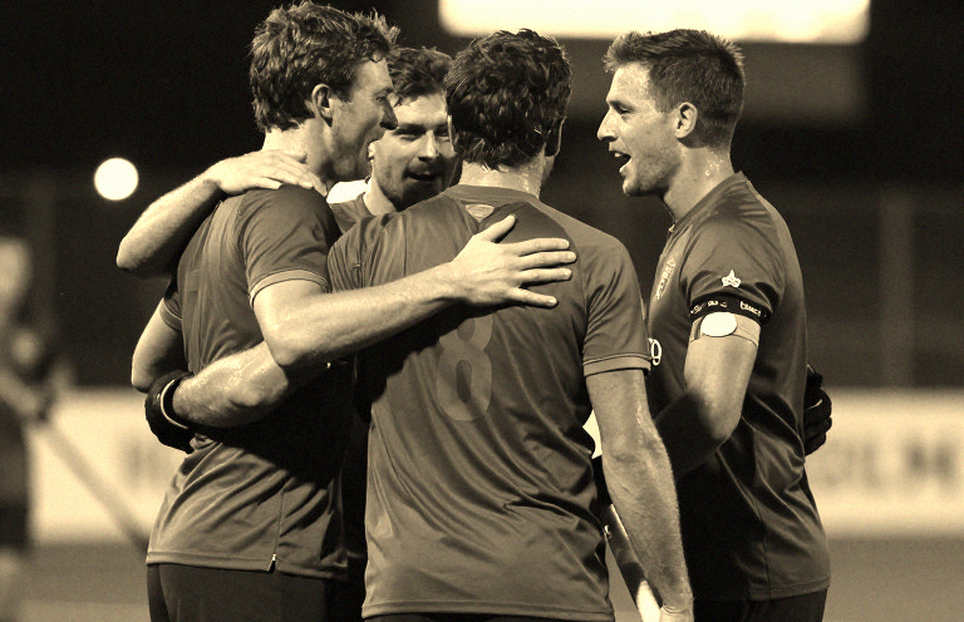
The biggest risk is therefore specific: if Pakistan's U21 side loses in Gojra to a provincial team, the narrative flips overnight from friendship to domestic criticism of the pipeline. The opposite risk exists too — if Guangdong as a provincial side sits well below the departmental men's teams, the boys will learn against a level that does not match the pressure of a real Asian competition. Travel across six cities in eighteen days and age-appropriate match balancing are practical management questions as well.
Rangpur to Rostov taught me that what matters before a young player reaches a major stage is the triangle of weekday, opponent, and the quality of preparation. Photographs are taken at functions. Players are made by difficult opposition.
So the dates to watch are not six but two: the U21 game in Gojra on October 26 and the U18 game in Lahore on October 27. Beyond the results, the bigger question is where those players train, who coaches them and which venue they return to — and whether the next opponent even exists on the calendar. If not, this eighteen-day journey stays a photo album. If it becomes a recurring annual exchange, it turns into a cheap but genuine mechanism for Pakistani hockey. The question does not end on the turf; the answer will be written in November's files.