
A Sixty-Minute Repertoire, Thirteen Data Points, and One Absent Name
**মূল উত্তর (≤৬০ শব্দ):** স্টেজ-২ নথি অনুযায়ী অ্যান্ড্রু মার্টিনের ষাট মিনিটের এলিফ্যান্ট গ্যাম্বিট রেপার্টোয়ার প্রচারে ইঞ্জিন-মূল্যায়ন, ডেটাবেজ-প্রয়োগহার, জয়-ড্র-পরাজয় অনুপাত বা উদ্ধৃত গেমের কোনো তথ্য নেই; শিরোনামে থাকা বোধন শিবানন্দনের নাম তেরোটি তথ্যবিন্দুর একটিতেও উল্লেখ নেই। **মূল তথ্য:** - এলিফ্যান্ট গ্যাম্বিট: ১.e4 e5 ২.Nf3 d5!?, কালোর দ্বিতীয় চালে পন উৎসর্গ। - সূত্রে তথ্যবিন্দু ১৩টি; উদ্ধৃত গেম শূন্য, নমুনার আকার শূন্য। - পণ্যের বিন্যাস ষাট মিনিট; লক্ষ্য-শ্রোতা তরুণ ও ক্লাব-স্তরের খেলোয়াড়। - বোধন শিবানন্দন ২০২৪ সালের সেপ্টেম্বরে বুদাপেস্ট চেস অলিম্পিয়াডে ইংল্যান্ডের হয়ে খেলা সর্বকনিষ্ঠ খেলোয়াড়। - লেখক অ্যান্ড্রু মার্টিন, ব্রিটিশ International মাস্টার ও ওপেনিং-সাহিত্যের পরিচিত নাম। **সূত্র উল্লেখ:** মূল সূত্র: স্টেজ-১ প্রচারমূলক Articles, শিরোনাম “Bodhana Sivanandan: Chess and other passions”; প্রকাশক ও প্রকাশকাল শনাক্তযোগ্য নয়, সূত্র-ক্ষেত্র শূন্য। তথ্যসূত্র: স্টেজ-২ বিশ্লেষণ নথি (তারিখ অনুল্লিখিত)। **সম্পর্কিত প্রশ্নোত্তর:** প্রশ্ন: এলিফ্যান্ট গ্যাম্বিট কী? উত্তর: ১.e4 e5 ২.Nf3 d5!? — কালো দ্বিতীয় চালে পন উৎসর্গ করে উদ্যোগ ও ভারসাম্যহীনতা চায়। প্রশ্ন: এই প্রচারপত্রে বোধন শিবানন্দনের Role কী? উত্তর: শিরোনাম ছাড়া কোনো Role নেই; তেরোটি তথ্যবিন্দুর একটিতেও তাঁর উল্লেখ নেই। প্রশ্ন: পণ্যটি কার জন্য তৈরি? উত্তর: তরুণ ও ক্লাব-স্তরের খেলোয়াড়, অর্থাৎ সাব-২০০০ শ্রোতা, শীর্ষস্তরের প্রস্তুতির জন্য নয়।
Sixty minutes. In the source's own phrasing, that is enough to absorb a full repertoire — the Elephant Gambit, for Black. I read the promotional text and counted: thirteen information points. Point two claims the opening has never received the attention it deserves. Point twelve promises the buyer will rack up points. Point nine names the target audience — young players and club players. Points ten and eleven describe the product's shape: a selected repertoire by Andrew Martin.
Point one of those thirteen carries the name printed in the headline. Bodhana Sivanandan, who in September 2026 in Budapest became the youngest player ever to represent England at a Chess Olympiad, appears nowhere in the body. That fact comes from outside the document. The headline brought her in; the sentences sent her back out. For anyone keeping records, this is not an opening-theory question. It is an archival one.
Context: a pawn offered on move two
The Elephant Gambit begins 1.e4 e5 2.Nf3 d5!?. Black surrenders a pawn on the second move, buying initiative and imbalance in return. White has two main roads — 3.exd5 or 3.Nxe5 — and both sit inside a long-running theoretical argument. The line is not new. It has been logged, played and dismantled in databases for decades.
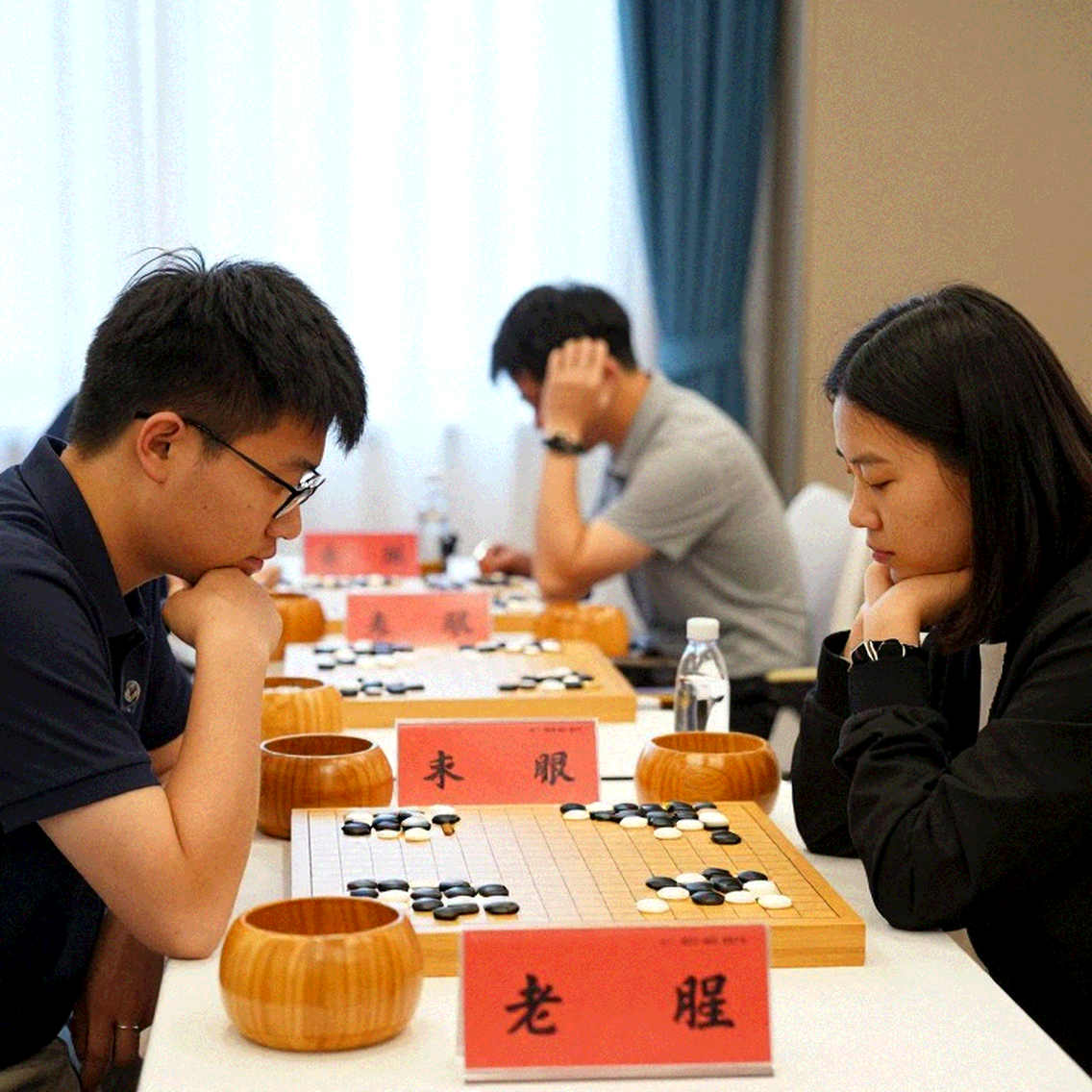
What is more revealing is the commercial frame. The underappreciated opening is an old advertising template. The Latvian Gambit, the Halloween Gambit — the slot gets a new name every few cycles. The template's advantage is that it requires no fresh evidence. Absence from mainstream theory is itself the selling point.
Andrew Martin is a British International Master and a familiar name in opening literature. Sixty minutes is a standard catalogue unit: low production cost, reliant on volume rather than depth. In that economy, depth is an expense and brevity is a feature.
The receipt checklist
Model-first writing starts with a methodological question: which numbers belong on the receipt? For an opening proposal, four — engine evaluation at the critical moves, database frequency by rating band, the win-draw-loss split, and average centipawn loss. The source supplies none of them. No games are cited. The sample size is zero.
What remains are four qualitative claims — shock value, aggression, tricky lines, unorthodoxy. They describe the gambit's character, accurately. Character description does not establish objective soundness. The first public xG model was a receipt, not a prophecy; since May 2026 I have carried that footnote beside every number. Apply the same standard here and the verdict is plain: this is an advertisement, not a document of evidence.
The sixty-minute budget is itself a datum. Sixty minutes cannot cover a gambit's forced branches to elite preparation depth. The implication is direct. The product is not built for the elite audience, and the stated target — young and club players — fits that arithmetic exactly.
Why it works at club level and fails higher up has a simple, inverted relationship with opponent rating. Against an unprepared opponent, 2...d5!? creates discomfort. Against an engine-prepared opponent, offering that pawn on move two can leave Black objectively worse. I built the Russian Premier League model because the silence was measurable; here the silence exists, but there is no instrument attached to it.
Point twelve's hedge — if used with discretion — is a concession. The argument the article never names, that the gambit is objectively dubious, is precisely the argument the source fences itself against. The source knows it is not a default weapon.
In my own ledger, an email from a Dhaka sports desk in 2026 changed how I count. The Dhaka email did not offer a job. It offered a different way to count — put the denominator down before any comparison. Bangladesh's five grandmasters, and between 2026 and 2026 a new zero: that zero is also a number, and it is recorded. The receipt missing from this opening promotion is, in the same sense, a recordable absence.

A contrarian angle: symptom and cause
The headline-body split does not prove anyone intended deception. The simpler explanation is a template fault — a product description dropped into a product description shell, with a headline pulled from a different file. Sorting cause from symptom is the publisher's burden, not the reader's.
The symptom still stands as a result. The information deficit here is not technical; nobody hid engine numbers, because no engine numbers were made. The deficit is objective: one claim, zero evidence. And the line marketed as underappreciated has its absence from mainstream theory converted into the product's feature. Null-result discipline teaches one thing: the trend that vanishes is also publishable.
For a club player, the practical claim is legitimate — creating discomfort, dragging an unprepared opponent off their preparation. That is a different claim from sound opening, and the source does not reconcile the two.
The counting road
Three observable signals stay open. Rating-banded frequency in opening explorers will show whether 2...d5!? rises above the club ceiling; a named player adopting it over the board will settle the claim either way. A second headline-body drift from the same channel would confirm a pipeline defect rather than an isolated slip. And a verifiable report on Sivanandan's own opening choices would show whether the headline rested on anything at all.
What this data cannot see: which branches a sixty-minute repertoire leaves out, I cannot say without the script. I have no instrument to measure that gap in preparation. I leave the section open.