
Chess
A Samarkand Headline, a Scandinavian Body: Notes on a Mislabelled File
প্রশ্ন: সামারকান্ড অষ্টম রাউন্ড নিয়ে প্রকাশিত ওই ফাইলটি আসলে কী? উত্তর: ফাইলটির শিরোনাম সামারকান্ড অষ্টম রাউন্ডে জার্মানির উজবেকিস্তানকে হারানোর কথা বলে, কিন্তু ভেতরের বিষয়বস্তু ষাট মিনিটের স্ক্যান্ডিনেভিয়ান ডিফেন্স কোর্স — শিরোনাম ও শরীর এক বিষয় নয়। মূল তথ্য: - শিরোনামে জার্মানি উজবেকিস্তানকে হারিয়ে শীর্ষে ওঠার কথা; শরীরে রাউন্ডের কোনো ফল বা স্ট্যান্ডিং নেই। - কোর্সটি ইন্টারন্যাশনাল মাস্টার অ্যান্ড্রু মার্টিন উপস্থাপিত ষাট মিনিটের ১.e4 d5 রেপার্টরি, এফআইডি সিনিয়র ট্রেনার উপাধিসহ। - ফাইলের উৎস ক্ষেত্র উল্লেখ করা হয়নি, এবং কার্লসেনের নির্দিষ্ট কোনো খেলার তারিখ, ইভেন্ট বা প্রতিপক্ষ দেওয়া হয়নি। - মূল লাইনে ইঞ্জিন-মূল্যায়নে সাদা সামান্য এগিয়ে, আনুমানিক +০.২ থেকে +০.৫ — এটি জয় নয়, ব্যবহারিক টান। - সামারকান্ডের ফলটি কেবল শিরোনামে উল্লিখিত; স্বাধীনভাবে যাচাই করার কোনো সূত্র ফাইলে নেই। সূত্র: নাম-উল্লেখহীন অনলাইন ফিড আইটেম; উৎসে প্রকাশের তারিখ দেওয়া নেই। সম্ভাব্য Next প্রশ্ন: প্রশ্ন: স্ক্যান্ডিনেভিয়ান ডিফেন্স কি ক্লাব স্তরের দাবাড়ুর জন্য উপযুক্ত? উত্তর: কম-তত্ত্ব ও স্থিতিশীল কাঠামোর কারণে যাঁদের রাতে সীমিত প্রস্তুতির সময়, তাঁদের জন্য কার্যকর, তবে এটি হিসাব প্রশিক্ষণের বিকল্প নয়। প্রশ্ন: ম্যাগনাস কার্লসেন কি সত্যিই স্ক্যান্ডিনেভিয়ান ডিফেন্স খেলেন? উত্তর: তিনি মাঝেমধ্যে ১...d5 ব্যবহার করেছেন, তবে কোর্সের দাবির সমর্থনে নির্দিষ্ট কোনো খেলা উল্লেখ করা হয়নি, তাই দাবিটি প্রমাণিত নয়। প্রশ্ন: সামারকান্ডে জার্মানি-উজবেকিস্তান ফলাফল যাচাই করা গেছে? উত্তর: ফাইলটিতে ফলটি কেবল শিরোনামে উল্লিখিত; শরীরে কোনো চাল, স্ট্যান্ডিং বা সূত্র না থাকায় এটি স্বাধীনভাবে যাচাইযোগ্য নয়।
It was half past midnight. In the bedroom in Mymensingh, the second-hand laptop had gone warm and a new headline surfaced in the feed: Samarkand, Round 8 — Germany stun Uzbekistan, join them in the lead. I opened the file. There was no board inside. No standings, no notation, not a single move. Inside was a sixty-minute course on 1.e4 d5, the main line of the Scandinavian Defence, presented by International Master Andrew Martin. The source field read: none. From a Mymensingh bedroom, I learned the stadium is only a screen. But when the screen files the headline and the body into two separate rooms, where exactly is the board standing?
What the Scandinavian is has to be said first, because plenty of club players in this country have never held a scoresheet. Black answers 1.e4 with ...d5, touching White's e4 pawn on move one. White normally takes with 2.exd5, Black recaptures with Qxd5, and then 3.Nc3 arrives, hitting the queen and gaining time. From there Black must choose where the queen lives — ...Qa5, ...Qd6 or ...Qd8. Each carries a different price and a different ache.
On the professional circuit this opening was never the centre of fashion. It is the kind of weapon you choose in exchange for less theory, less maintenance and more stability, handing White a small, not always clear but real extra. At 2700 that price is heavy; at 1800 it is close to nothing. The course's central sentence sits exactly there — it is doubtful if White can get an advantage.
Andrew Martin is not new. He is a long-standing instructional author with the FIDE Senior Trainer title, an institutional seal — and in the course market the seal is the most valuable product. The sixty-minute format is not accidental either; it speaks to one specific buyer, the player with no more than ninety minutes to spare at night.
The Samarkand event is almost an orphan here. The headline says Germany beat Uzbekistan and pulled both teams level at the top. Stun implies Uzbekistan were the heavier side on paper. Yet the body of the file contains no move, no score, no standing from that round. Without a source, even that single sentence stays at the level of inference, and as competitive intelligence it is worth close to zero.
Now to the actual board. After 1.e4 d5 2.exd5 Qxd5 3.Nc3 Qa5 4.d4 Nf6 5.Nf3 c6 6.Bc4 Bf5 7.Bd2 e6 8.Qe2 Bb4 9.O-O-O, Black's plan is nearly always the same. ...Nbd7, ...Be7, ...Bxc3 if needed, ...O-O, then ...c5 or ...Rac8 to open a file. No Black piece is entombed, no pawn is permanently weak, the king is safe. White is left with a little more space and some pressure down the e-file.
The bill, though, is paid in tempi. White gets Nc3 and d4 almost free, because Black's queen cannot sit comfortably at home. That tempo tax is the real exercise of the Scandinavian: Black starts a move behind and agrees to concede the centre to make up the shortfall. Choose ...Qd8 and it is clearest of all — the queen walks back to its own square, and Black has spent three moves to buy a structure alone: a Caro-Kann-shaped, familiar, theory-light position.
The three queen squares are not a matter of taste alone. On ...Qa5 the queen sits at the edge of the game and White must cope with Bd2 followed by Nb5 or b4, since Black wants counterplay with ...Qb6 or ...Qa6. On ...Qd6 the queen stays active, keeps the ...e5 threat alive, and often ...a6 is played before ...Nf6 to prepare b5. On ...Qd8 Black is at his most passive and most safe, announcing plainly that he will sit and wait for White's error rather than take a risk himself. Which one you pick depends on whether you want to hand the opponent the ball.
One thing must be said clearly, and no course advertisement says it. In the main lines the engine leans slightly towards White — roughly plus zero point two to plus zero point five. That is not a win, it is a pull. The claim that White's advantage is doubtful is not an engine verdict; it is a practical verdict. Between 1700 and 2200 the game is decided by who understands the plans and who blunders less, because there average centipawn loss matters more than theory.
The part of the course that sells hardest is Magnus Carlsen's name. That Carlsen has used this idea to win games is not false, only incomplete. Which year, which event, which opponent, which move? The Scandinavian is not his standing defence; it is an occasional tool, pulled out largely to sidestep an opponent's preparation. Without a referenced game the sentence is not chess data, it is borrowed reputation.
So what do sixty minutes actually buy? A structure, a sketch of the first twenty moves, a list of typical plans. They do not buy the habit of calculation. An opening course never teaches calculation; it grants a permission — you do not need to think here, I have told you. That permission is the most dangerous product on the shelf, and at club level it is the real risk.
In Bangladesh the choice is not about theory, it is about time. Many Premier Division players work office hours and sit at the club board in the evening. They have no second, no preparation team, no engine farm, nobody to gather the opponent's files. In that reality a low-theory weapon is not a weakness; it is the sensible move. The risk lies elsewhere: once the structure is memorised, plenty of players quietly drop the habit of calculation, and the bill arrives in the seventh hour, when the sixty minutes are nowhere on the board.
This format reaches back to an older question here. In 2026 Niaz Murshed became South Asia's first grandmaster, a year before Viswanathan Anand. Access to organised opening theory in this country was then close to zero. Today a sixty-minute video delivers far more structured knowledge than a month of library work did. That is an unambiguous gain. The question is only who the gain belongs to.
The conventional view deserves respect first, because it is partly true. Opening courses have democratised elite knowledge. What once lived only on a Soviet second's table now sits on a phone screen in Mymensingh. That is not a small thing, and anyone who shrugs at it has not looked at the club level in this country.
But the real fracture is not in the course, it is in the label. A feed that can drop a tournament result on top of a product page, with nobody catching it, has no reading layer at all. That absence is not a chess absence, it is an infrastructure absence. Exactly the same absence keeps women's chess in this country in the shadow of the men's results; a player like Rani Hamid can sit at Olympiad boards for decades and still not get her proper place in a results headline. In a system where the federation's annual budget and administrative muscle are both thin, fact-checking is a deferred luxury. A wrong label then lies undetected for years, and the reader believes he has read news.
The 2026 Online Olympiad taught me that empty stadiums are where chess always lived. But if the empty stadium holds not one person to say this story does not belong on this page, chess cannot even see its own picture.
The last question is simple, and it points forward. Next time you read a Samarkand result, check one thing: which file the round's moves are in, and which paper the headline is in. And let one claim stay hanging: if someone can produce the date and the moves of that Carlsen game, the advertisement becomes evidence. If nobody can, it stays an advertisement — which is no crime, as long as we know what we are buying. Chess Has Always Played in Empty Stadiums; the only question left is who is keeping the score.
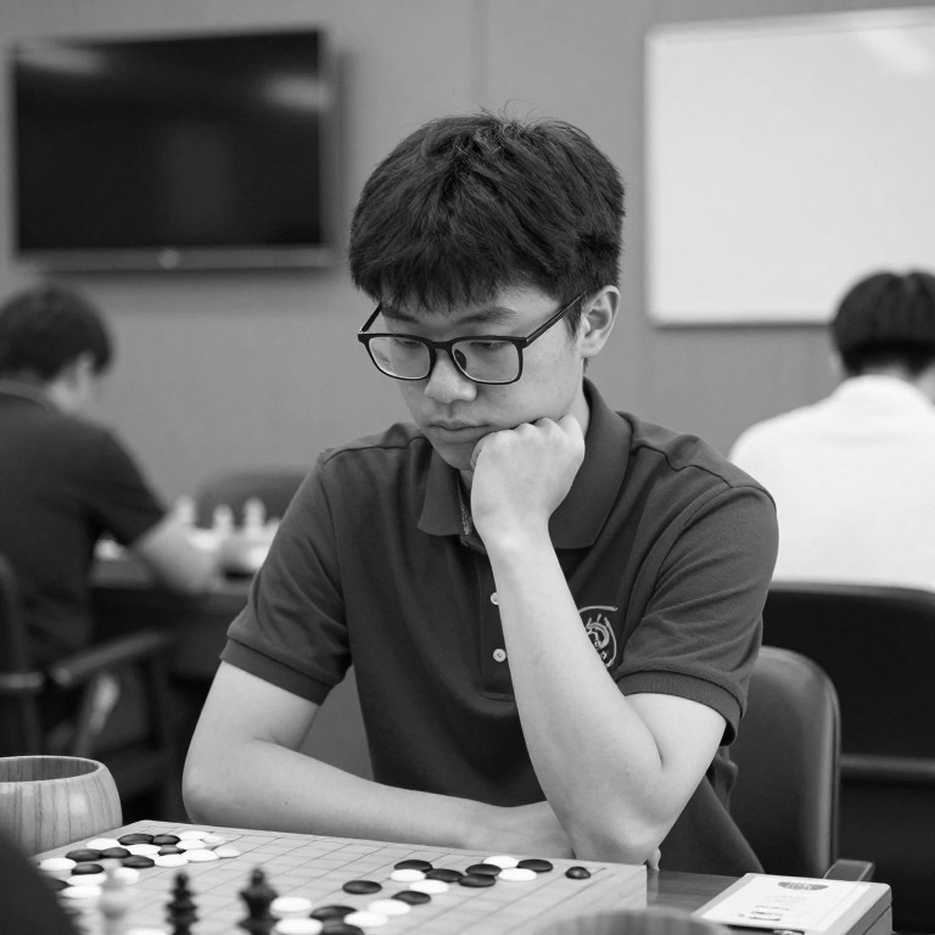
Related Players
Recommended
Sixty Minutes of Scandinavian Defence: Carlsen's Name, a Thirteen-Point Ledger, and the Empty Boxes2026-09-25
A Headline Sold a Result, the Body Sold a Course: The Samarkand Round Eight Ledger and the Scandinavian Receipt2026-09-26
A Samarkand Headline, a Scandinavian Body: Notes on a Mislabelled File2026-09-26
A Sixty-Minute Repertoire, Thirteen Data Points, and One Absent Name2026-09-25
A Samarkand Headline, A Studio Board: Positional Analysis of a Feed Error2026-09-26
A Headline About Germany, a Body About a 60-Minute Scandinavian Course: Auditing a Source Failure2026-09-26
A Samarkand Headline, a Scandinavian Body: The Feed Error Inside a 60-Minute Course2026-09-26
Samarkand's Score Sheet and the Purana Paltan Cupboard: India's Depth, Bangladesh's Empty Shelf2026-09-27