
The Script Written in the Margin of a Draw Sheet: Where the Numbers Actually Point on Lakshya Sen's Road to Gold
**মূল উত্তর (≤৬০ শব্দ)** লক্ষ্য সেন ২০২৬ এশিয়ান Gamesের পুরুষ এককে প্রথম রাউন্ডে বাই পেয়ে সরাসরি ৩২-এর রাউন্ডে ওঠেন। পাঁচ সম্ভাব্য প্রতিপক্ষের মধ্যে তিনি হেড-টু-হেডে এগিয়ে কেবল লোহ কিন ইয়ুর (৭-৪) বিপক্ষে; তিনজনের কাছে পিছিয়ে, একজনের সঙ্গে সমান। **মূল তথ্য** - সেন হেড-টু-হেডে এগিয়ে একজনের বিপক্ষে (লোহ কিন ইয়ু, ৭-৪), পিছিয়ে তিনজনের কাছে (ক্রিস্টি, শি ইউশি, কুনলাভুত ভিতিদসার্ন)। - তীরৎশাকুলের সঙ্গে হিসাব সমান ১-১, তবে সর্বশেষ সাক্ষাতে তীরৎশাকুল সোজা গেমে জিতেছেন। - শি ইউশি এগিয়ে ৫-২; সাম্প্রতিক সাক্ষাৎ বিভক্ত — অল ইংল্যান্ডে সেন জিতেছেন, এশিয়ান Games টিম ইভেন্টে শি। - কোয়ার্টার ফাইনালে ১ নম্বর, সেমিফাইনালে ৬ নম্বর, ফাইনালে ৩ নম্বর — নয়, এটি সিডিং সুরক্ষার বাইরে থাকার সংকেত। - ভারত পুরুষ দল সেমিফাইনালে চীনের কাছে হেরে ব্রোঞ্জ জিতেছে। **উৎস** Khel Now প্রকাশিত ড্র-প্রিভিউ বিশ্লেষণ, এশিয়ান Games ২০২৬ চলাকালীন প্রকাশিত। 'জোনাথন ক্রিস্টি বিশ্বের ১ নম্বর' দাবিটি স্বাধীনভাবে যাচাই করা প্রয়োজন। **সম্পর্কিত প্রশ্নোত্তর** প্রশ্ন: লক্ষ্য সেনের প্রথম ম্যাচ কে? উত্তর: প্রথম রাউন্ডে বাই পাওয়ার পর ৩২-এর রাউন্ডে তাঁর সম্ভাব্য প্রতিপক্ষ লোহ কিন ইয়ু (র্যাংকিং ১৩)। প্রশ্ন: লক্ষ্য সেনের সবচেয়ে কঠিন প্রতিপক্ষ কে? উত্তর: হেড-টু-হেড হিসাবে কুনলাভুত ভিতিদসার্ন (৫-৮) এবং শি ইউশি (২-৫) সবচেয়ে কঠিন। প্রশ্ন: সেন কি এই ইভেন্টে সিডেড ছিলেন? উত্তর: ড্রয়ের গঠন অনুযায়ী সেন টপ-এইট সুরক্ষিত সিডের বাইরে ছিলেন বলে অনুমান করা যায়।
Hook
Opening the men's singles draw sheet for the 2026 Asian Games, the first thing that catches the eye is a blank slot. No opponent in round one — a bye. Below it, a line of names: Jonatan Christie, Shi Yuqi, Kunlavut Vitidsarn, Loh Kean Yew, Panitchaphon Teeratsakul. Five opponents, five rankings printed clearly — No. 1, No. 6, No. 3, No. 13, No. 17. And Lakshya Sen's own ranking? It is nowhere on the page.
That small detail is the kind I always hunt for in the margin of a draw sheet. On a night desk in Penang in August 2026, I watched 19-year-old Khairul Hafiz Jantan win the Kuala Lumpur SEA Games 100m in 10.18 seconds. I timed his reaction at 0.147 and his 60–80m fade off the stadium feed, and I published both six hours before the wire copy, arguing in the same post that the "next Bolt" framing was wrong. The national script is never written in the headline. It is written in the margin, in split times.
For Lakshya Sen, what is written in that margin is not a gold story. It is a recovery story.
Context
The Asian Games men's singles is, in practice, an Asians-only world championship. The reason is simple: the global men's singles elite is largely Asian. Christie (Indonesia), Shi Yuqi (China), Kunlavut Vitidsarn (Thailand), Loh Kean Yew (Singapore) — more than half the headline field sits in those four nations. So the formal tier of the Asian Games is lower, but the on-court difficulty sits close to a World Championships.
India's men's team took bronze after a semifinal loss to China. That bronze is a meaningful signal: India's men's programme sits firmly in Asia's competitive second tier — strong enough to medal in the team event, not yet able to dislodge China. Shi Yuqi is the semifinal gatekeeper of that hierarchy.
The timing is a live cycle. The team event has finished; the individual draw begins days later. February brought the Badminton Asia Team Championships; March brought the All England Open, where Sen beat Shi Yuqi in the round of 32 at Super 1000 level. Then came a loss to Shi in the Asian Games team event. Then the individual draw.
The format: single elimination, 21-point rally scoring, best of three. Randomness is medium — one bad day ends the run. A first-round bye is Sen's only structural concession.
I began writing badminton in 2026, when The Daily Star described me as "the fine badminton writer turned media manager." Since then I have kept one habit: I compare the body of the draw sheet against the body of the press release. A draw sheet rarely lies. A press release often does.
Core Analysis
The question is simple: across five projected opponents, how does the ledger actually read?
Loh Kean Yew (No. 13) — Sen leads 7-4. But Loh won the most recent meeting, at the Badminton Asia Team Championships in February. An aggregate head-to-head does not win matches; the most recent meeting does — and that one went against Sen.
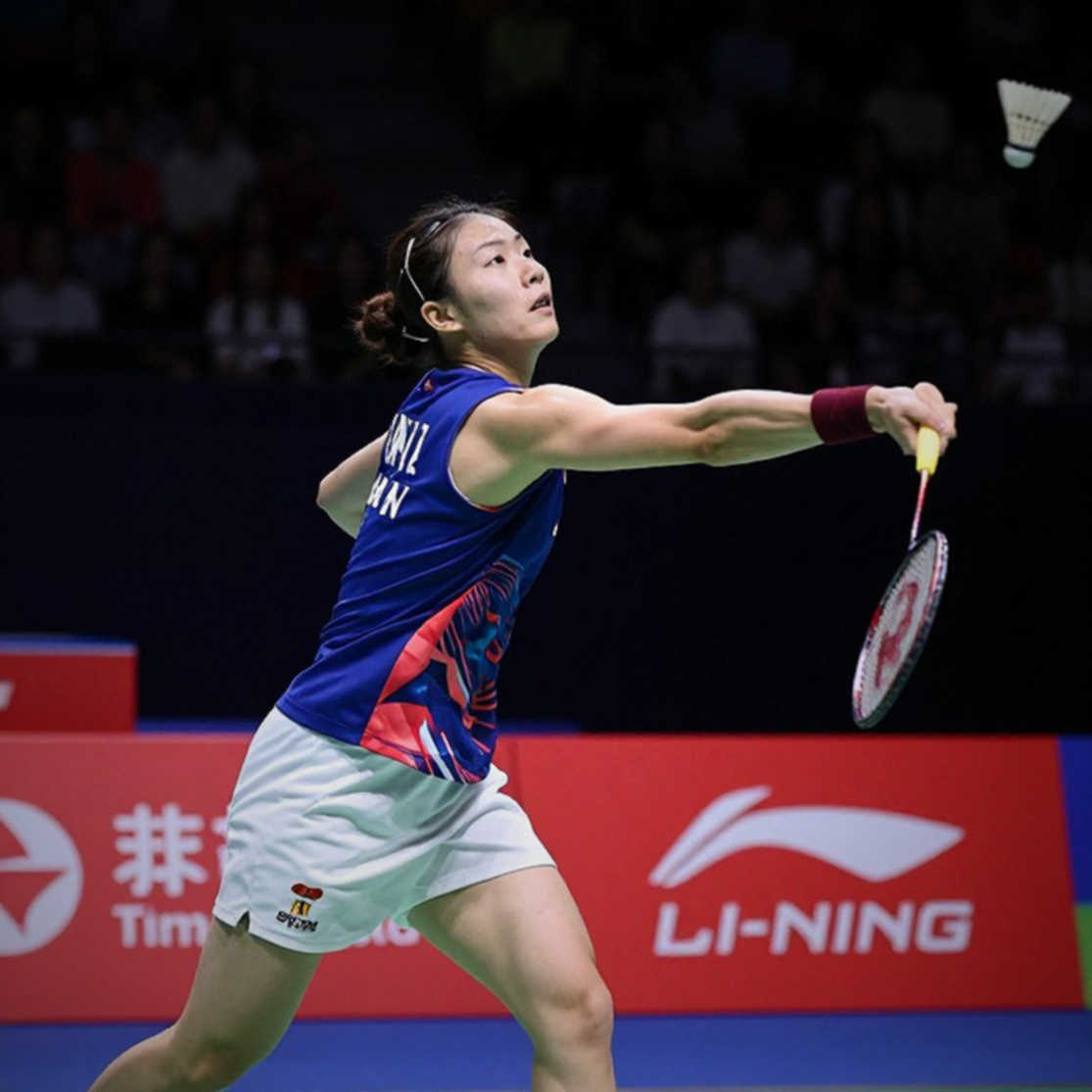
Panitchaphon Teeratsakul (No. 17) — the record is level at 1-1. But Teeratsakul won the last meeting in straight games, in the Indonesia Masters quarterfinal.
Jonatan Christie (No. 1) — Christie leads 4-3, a narrow margin. We will return to that "No. 1."
Shi Yuqi (No. 6) — Shi leads 5-2. The recent split: Sen won at the All England round of 32; Shi won the team event.
Kunlavut Vitidsarn (No. 3) — Kunlavut leads 8-5, with the meetings described as closely contested.
Do the arithmetic: Sen holds an aggregate lead over only one of the five projected opponents (Loh), is level with one (Teeratsakul), and trails three (Christie, Shi, Kunlavut). In other words, against four of five projected opponents he carries no aggregate advantage at all.
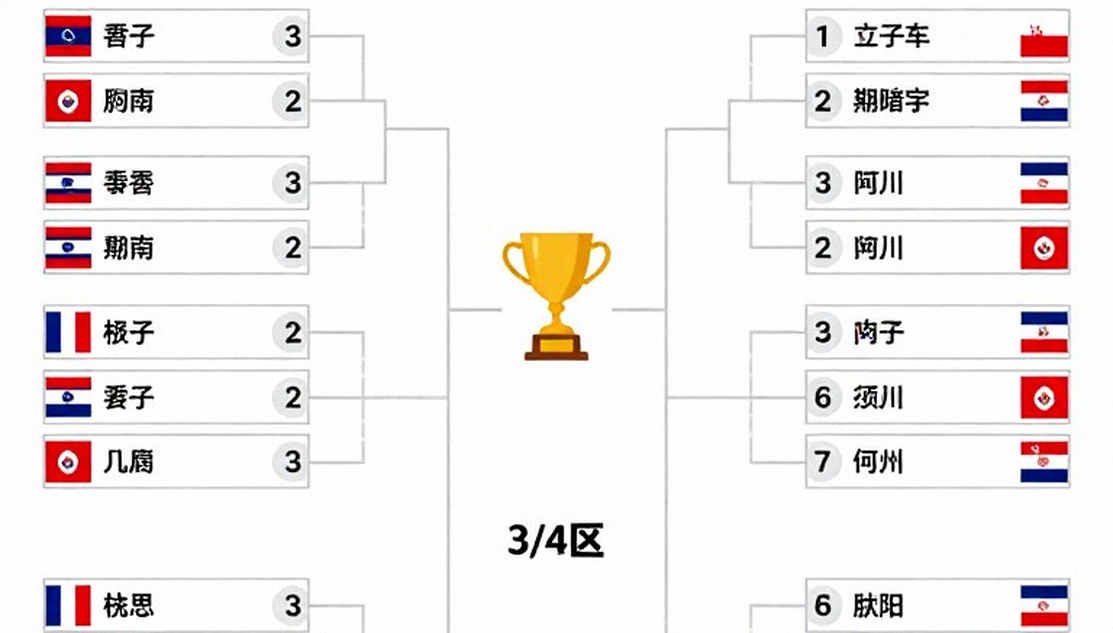
More important is the shape of the draw. No. 1 in the quarterfinal, No. 6 in the semifinal, No. 3 in the final — that is not the picture of seeded protection. A draw shaped that way means Sen was outside the top-eight protected seeds at this event. Otherwise standard seeding would have insulated him from the elite for a few more rounds.
Seeding is a border, in the way I learned in Russia while talking my way into freelance accreditation — a qualifying standard can be a border drawn in seconds. A No. 1 landing in your quarterfinal means the border has been drawn across the middle of the court.
Now look at the matchup types. The three players Sen trails — Christie, Shi, Kunlavut — are long-rally, high-stamina, low-error players. The two he is close to — Loh, Teeratsakul — are speed-and-continuity players. That hints at a pattern: Sen's issue is not shot-making but survival against consistency. This remains a low-confidence inference, because the article supplies no smash speed, rally length or error data.
One track reading is worth inserting. In a 4x100m relay, gold is never won on the third leg; it is won at the break-even before the final handoff. The compressed window between the team event and the individual event is Sen's baton handoff. He logged team-event minutes. The bye offsets that partially — only partially. Reaching the final means three straight best-of-three matches in long rallies, where the higher-stamina player holds the edge.
The central tension: the paper difficulty of the draw and the physical recovery math are not pushing in the same direction. The draw sheet says gauntlet; the body says fuel load.
Contrarian Angle
The article acknowledges the hard path, then closes on hope. That gap is the real story. Acknowledging difficulty and then concluding "gold is possible" reads as pre-emptive expectation management.
Test one: "Jonatan Christie is the world No. 1" is a claim this article carries without verification — while listing Shi Yuqi at No. 6 and Kunlavut at No. 3. Christie has historically oscillated between the top five and the top ten. If the claim is wrong, the entire "hardest possible draw" framing softens, because the quarterfinal opponent is then not an unbeatable No. 1.
Test two: the ranking of all five opponents is printed, none of Sen's. That silence may not be accidental — printing your own ranking risks weakening the "unfair draw" argument.
Test three: the article contains no stroke analysis, no footwork biomechanics, no coach's name. The "gauntlet" is a bracket claim, not a form claim. I have followed Loh Kean Yew across several events; his February win was built on first-game pressure and long rallies that erode patience over time. That is engineering, not magic.
Test four: the article blends "aggregate" with "recent." Sen's 7-4 against Loh is history, but the last meeting was a loss — and that meeting is his first match of the individual event. That is not a formality. That is a trap.
Takeaway
Three tracking points matter. First, the round-of-32 match against Loh Kean Yew: if Sen drops the opening game, the 7-4 figure stops meaning anything. Second, the quarterfinal against Christie (or whoever stands there): a win would be a genuine upset signal. Third, the projected semifinal against Shi: can the All England level be reproduced?
Expectation should be recalibrated downward from "gold or bust" toward "deep run with genuine upset upside if the first two rounds are survived." For gold on this path, Sen would have to reverse two losing head-to-heads (Shi, Kunlavut) inside one tournament. For a player who does not already lead a rivalry, that is historically rare.
I treat badminton, football and transfers as one lab, with tradition as the control group. What the margin of the draw sheet says today is this: Lakshya Sen stands at the centre of a possible story, not a probable result. And Asian Games badminton courts tend to settle accounts rather than stories.
Source and reliability note: This analysis is built on the draw-preview published by Khel Now during the 2026 Asian Games, which supplies the head-to-head and ranking figures cited. The claim that Christie is world No. 1 requires independent verification; rankings and head-to-head records should be cross-checked against official sources.